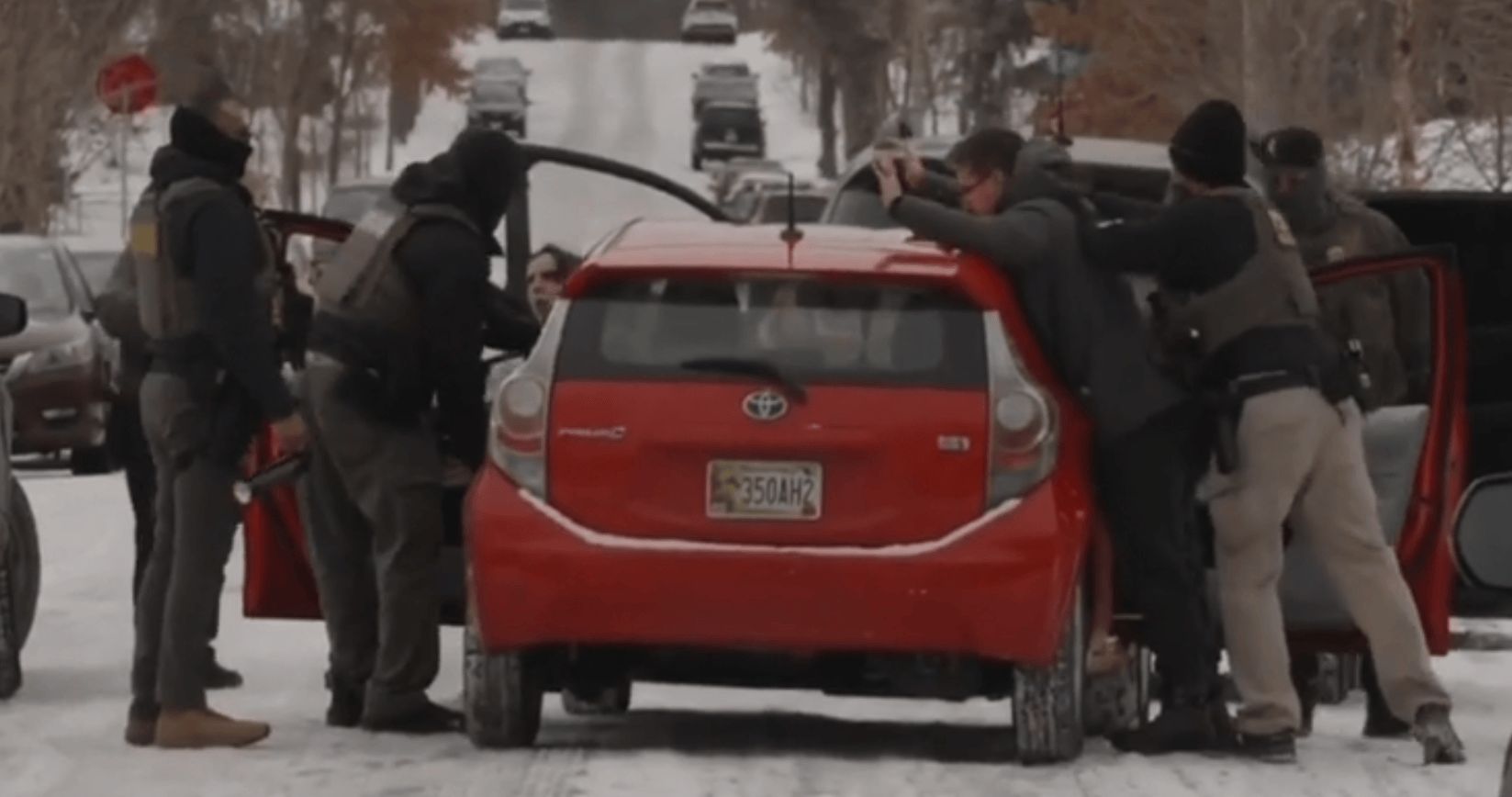
State lawmakers from Minnesota and around the country gathered in Chicago Wednesday to announce they’ll introduce legislation that allows residents to sue federal agents who violate their rights.
In Minnesota, a package of legislation that would have restricted ICE activities and required agents to show their faces stalled last session after failing to garner any Republican votes.
State Sen. Omar Fateh, a Democrat who represents parts of south Minneapolis, said he's convinced Minnesota voters in November will elect lawmakers dedicated to holding ICE accountable.
“JD Vance and Stephen Miller said ICE agents acted with total immunity. Well, they're not immune to an election,” Fateh said. “We will renew the fight to defend rights, restore local control and hold agents and their bosses accountable for what happened in the state of Minnesota, so that that can never be allowed to happen anywhere ever again.
Fateh said he plans to introduce legislation next session that would make it easier for residents who had their Constitutional rights violated by federal agents to sue.
“The Trump administration said agents were here to enforce law; they lied,” Fateh said. “They broke down doors without a warrant, detained people, denied people due process, assaulted, arrested, tear gassed and shot peaceful people.”
State lawmakers are also exploring similar legislation in Illinois, Colorado, Maryland and other states.
Maryland State Delegate Ashanti Martinez said pushing for the changes in multiple states is a strong strategy because he said the federal government isn’t going to hold themselves accountable.
“We are here because we are forced to step up and protect all of our communities because the federal government has instead put targets on all of our backs,” Martinez said. “This legislative session, we have to focus primarily on those that were the most vulnerable, those who don't have voices, who are told to live in the shadows.”
Both houses of the Minnesota Legislature are closely divided and all seats are up for election in November. The next legislative session will start in January.